• Why is fentanyl so perfect cure for increasing pain grade?

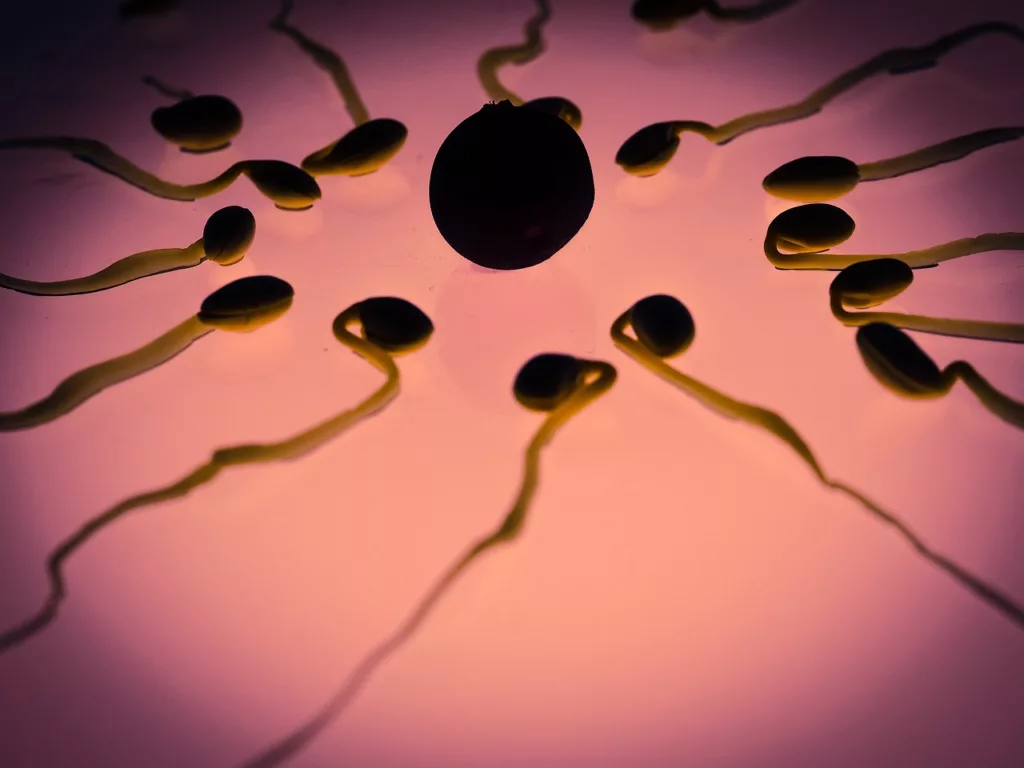
    Photo: Rowan berry, chulmin1700, Pixabay

    Fentanyl, a currently popular opioid, effectively relieves pain by enhancing neuronal responses in selected brain pathways, according to a new study published in Neuron.

    Pain grades have been classified by the World Health Organization in 1986 as more and more humans started to get cancer. The author of the first assessment of suffering grades is not widely known, but the approach changed the fate of many people previously convicted by some religions for enormous distress. Some experts compare cancer to an inside cannibalism of tissues. The health one is steadily unplaced by the strange one in terms of different molecular bases (DNA), which may result from a mistake in the originally given code. There are random and facilitated mistakes. Nowadays we are aware not only of pain severity but also of its origin, that along with civilization advancement and longer lifespans increase.

    Over 50 percent of US adults are affected by pain or are classified as affected. One or another, the number is alarming throughout the world. Opioids are widely spread at the same time, impairing the functioning of many humans, although they are desperately needed when functioning is impaired by pain. One of the most modern drug examples is fentanyl, an opioid prescribed for pain relief. However, its work is highly dependent on sex hormones like estradiol and testosterone, both present in either women’s or men’s bodies, although their concentration is different, as stated by scientists from Washington University in the journal ,,Neuron”.

    Despite sex and gender differences in pain and opioid use—with women reporting greater pain, while men are more frequently misusing opioids and overdosing, the underlying mechanisms remain unclear – say Jessica A. Higginbotham and Jose A. Morón of Washington University.

    They add that opioid misuse liability also varies with age, and the putative role of gonadal hormones has been largely ignored.

    According to the US Food and Drug Administration, fentanyl is a potent synthetic opioid drug approved by the FDA for use as an analgesic (pain relief) and anesthetic. It is approximately 100 times more potent than morphine and 50 times more potent than heroin as an analgesic. In line with the new study, its major target is the balance reaction of dopamine neurons for a dose of fentanyl while estradiol protects against too strong inhibition of dopamine pathways activation in males. At the same time, in females, ovariectomy enhances fentanyl self-administration as the female hormone concentration may decrease. However, the protective effects of ovarian hormones are not solely mediated by estradiol. Instead, pain and high estradiol states—naturally occurring in intact females or artificially produced in males—suppress fentanyl self-administration and associated VTADA activity through VTA estrogen receptor beta signaling – according to the scientists.


  • Are wind farms causing harm to cognitive functioning? Balancing between health and clean energy

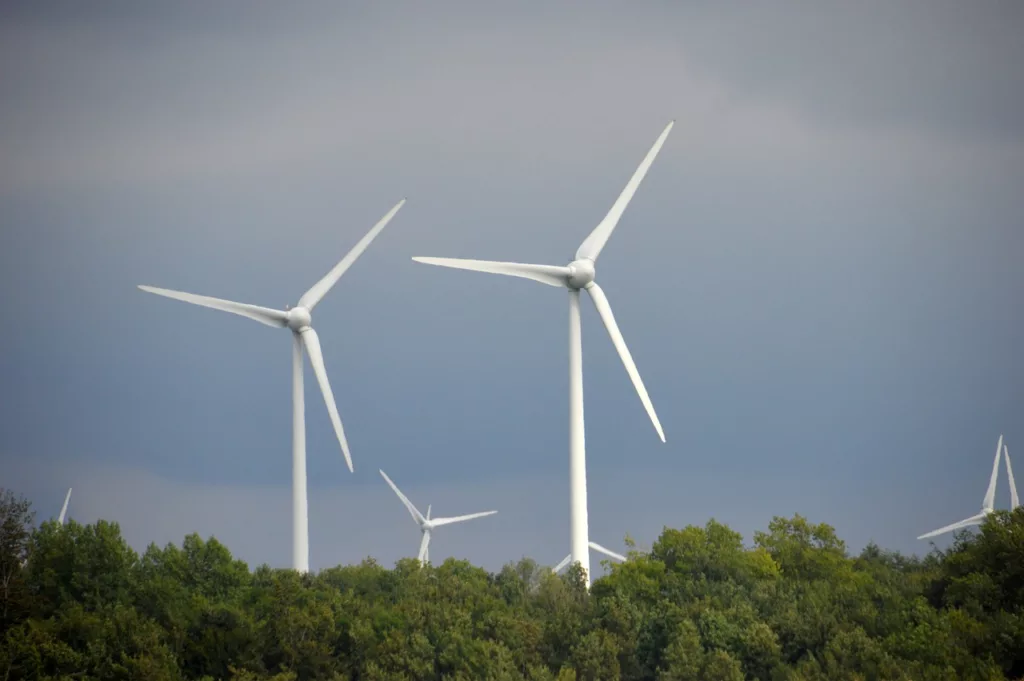
    Wind turbine, Photo: Viniane6276, Pixabay

    Wind farms are a substantial source of clean energy needed for green transformation. Is the noise they produce harmful for people and nature or not?

    Clean energy from various renewables may decrease dependence on fossil fuels as a major energy course. There are several ways to get the so-called green electricity. One of them includes wind farms. These include large or small fans located in places with favorable weather conditions that stipulate strong enough and continuous wind. However, it does not mean they are completely oil-free as large turbines need some of this fuel or other power. Equally, the capacity, i.e, the amount of electricity produced by the single one substantially increased. Off-shore turbines work more effectively, but at the same time they are a challenge for migrating birds.

    Differing noise tolerance

    Yet, some time ago those fans’ turbines generating the electricity caused huge noise, in particular, when they were large at a specific speed of spin. This is why their location was and still is important, as too loud noise measured in decibels may cause health and functioning problems. The same speed of fans should be adequate to the strength of the wind. The height of the fan and the number of fans in the turbine, as well as the size of the entire wind farm, matter for birds. Although they have their migration paths rather stable, what makes it possible to locate a wind farm in a distance on the land, they still may feel confused due to the generated noise and thus lose their route more easily on the sea. Noise tolerance for humans and birds varies as there are larger and smaller seas.

    Now, scientists of the University of Adam Mickiewicz in Poznań in a recent study published in the journal ,,Nature” call for a new approach in research on the impact of wind turbine noise on human functioning. Based on the most recent studies, it is impossible to conclude whether the impact of wind turbine noise on physical-mental health is objective or merely a socio-culturally constructed stressor. However, Poland-based scientists thought they managed to catch a sign of worsening of cognitive state dependent on the time of noise exposure.

    The length of exposure

    A deterioration in TBR by 0,04 has been observed (from 1.15 to 1.19, t = 2.273, df = 42, Tukey’s p = 0.028). TBR is s a widely recognized biomarker for cognitive control (EEG). What is a paradox, lower TBR indicates a higher level of attentional. Therefore, a decrease in TBR is indicative of an enhancement in cognitive functioning, whereas an increase in TBR suggests a decline in cognitive performance. However, the change in TBR over the entire measurement duration merely showed a trend (F1,42 = 3.296, p = 0.077, η²p = 0.073) toward worsening – according to scientists. Moreover, the longer is the time of measurement, i.e. exposure for noise, the deterioration of cognitive state could be, but not necessarily stronger.

    The scientists analyzed a single wind turbine impact recorded outdoors at one of the wind farms located near Poznan, Wielkopolska Region in Poland. Participants of the study were not informed about the purpose of the experiment as scientists’ intention was to objectively asses the link between health and the noise. Scientists obtained approval for the experiment from The Ethics Committee of the Faculty of Educational Studies at Adam Mickiewicz University and adhered to the principles of the Declaration of Helsinki. The authors of the study include Agnieszka Rościszewska, Maciej Buszkiewicz, Gabriela Dobrzyńska-Kobylec, Anna Klichowska, Tomasz Przybyła, Blanka B. Nagy, Andrzej Wicher, Michał Klichowski.


  • What makes aging more friendly? X chromosome

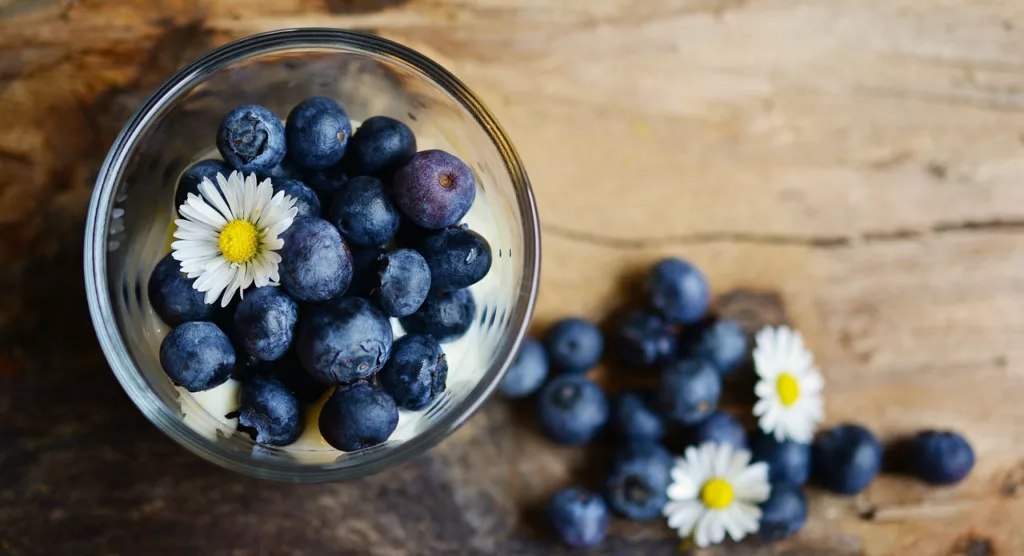
    Photo: Blueberries, congerdesign, Pixabay

    The later activation of the X chromosome may enhance cognitive function, which could partly explain why women tend to have longer lifespans.

    Each of us inherits our genetic background from our parents, grandparents, and even distant ancestors that we may have forgotten. Humans have 23 pairs of chromosomes, with one set coming from each parent. The chromosome inherited from the father determines the biological sex of the child, but we receive genes from both parents equally. The dominant genes are sometimes expressed during development and in life outside the womb, while recessive genes may remain hidden and not visibly affect traits.

    The X chromosome is present in the gametes of both women and men, while men also receive a Y chromosome, the determinant of male sex. This results in women having two X chromosomes (XX) and men having one X and one Y chromosome (XY). In women, the second X chromosome, known as the silent X, is inactivated during the developmental stage and early life to prevent a double dose of X-linked genes.

    When silent genes awake

    Recently, scientists from the University of California, San Francisco, published a study in ,,Science Advances” claiming that this silent X chromosome is activated later in life as aging begins, particularly with expression in the hippocampus, a crucial part of the brain for learning and memory. This activation occurs due to elevated levels of a specific protein linked to the protection of signaling pathways in the brain. The researchers suggest that this phenomenon may enhance cognitive abilities and influence longevity in both women and men. However, they noted that the elevated levels of this protein are found to be naturally higher in women.

    The X chromosome is about 155 million DNA building blocks long (base pairs) and accounts for roughly 5 percent of the total DNA in cells. Individuals with two X chromosomes have only one functional copy of the X chromosome in each cell. X-inactivation occurs randomly, so it is unclear whether the X chromosome inherited from the mother or the one from the father will be switched off.

    Researchers in California have found that, alongside aging, the previously silent chromosome X activates about 20 additional genes that were expected to remain inactive.

    Aging had awakened the sleeping X,

    says Dena Dubal of the University of California, San Francisco, USA.

    How does all of this contribute to brain function? The activation of the second X chromosome, driven by a specific protein, enhances the brain’s connections and increases cognitive abilities. Simplifying the chromosome can suddenly cause it to detach from its loci, which typically happens during cell division when a piece of genetic material separates in the cell’s nucleus.

    The escapee activates when a protein, a component of myelin that protects nerve fibers, triggers the process. This causes previously silent genes to express, enhancing connections between brain cells and improving communication. As a result, signal transmission improves, boosting cognitive function. In the hippocampus, crucial for memory and emotion, this slows cognitive decline and helps women better resist the effects of aging.

  • Plant protection is the key to sustaining life. Singapore’s example

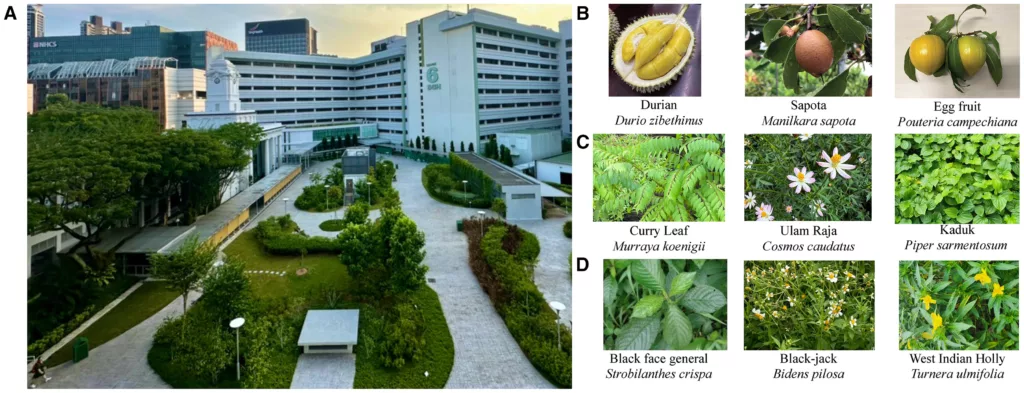
    Photo: The Singapore General Hospital Bicentennial Garden, authors: Abner Herbert Lim, Bin Tean Teh

    Genomic gardens of plants necessary to cure impaired people may be the only way to secure biodiversity, as urbanization and climate change lead to green destruction.

    Modern medicine would not have reached the level of today’s advancement without plants. They have been accompanying humans since the beginning, healing wounds and securing food. The learning of their properties was strictly protected within the first societies, at the same time being one of the first goods to exchange with separate groups, establishing the first allies. Healers held the highest position in prehistoric society, possessing great power to either cure or kill. Today, medicine also draws from this past; however, modern legal and ethical standards make its application more challenging, though not impossible, in the western hemisphere. Modern medicine is based on evidence-based knowledge, which requires plenty of studies, proofs, and technologies before being released to practice. However, this does not change the fact that plants further constitute a crucial base for modern medications, enabling them to heal and extend the lifespans of those who need them most often because of civilization’s diseases.

    As urbanization and climate change accelerate, humans are losing biodiversity that has developed over millions of years, beginning with the emergence of lycophytes as possibly the first plants. Countries in Southeast Asia have not been spared from the biodiversity loss seen across the globe. Scientists at the SingHealth Duke-NUS Institute of Biodiversity Medicine in Singapore have proposed the creation of a genomic garden. In a newly published study in ,,Cell Genomics”, they suggest that this collection of selected genomes could help preserve biodiversity and, in turn, protect human life.

     – The biodiversity conservation efforts may be further enhanced by leveraging the latest technological advances. One such avenue is the establishment of a genomic garden, where the genome of each plant grown in the garden is sequenced, assembled, and analyzed,

    say Abner Herbert Lim and Bin Tean Teh of the SingHealth Duke-NUS Institute of Biodiversity Medicine, Singapore.

    Singapore, both a city and a nation that achieved its independence through self-determination, has created a notable garden known as the “Garden City.” This designation comes after the loss of 34 percent of its flora due to urban development. Scientists report that the first genomic garden was established at the SingHealth Duke-NUS Academic Medical Center, and it is named the Singapore General Hospital Bicentennial Genomic Garden. The current size of the garden is 3,400 m2, with plans to expand the space to 8,500 m2. Currently, the garden includes a curated selection of 100 SEA regional ethnobotanical species. The scientists emphasize that the genomic garden can be organized into distinct sections based on the types and functions of the plants in each area. This arrangement not only simplifies navigation but also enhances the educational experience.

    – Priority can be given to species that help fill genomic data gaps in underrepresented taxa, contributing to the conservation of genetic diversity. Ethnobotanical knowledge provides further insight by identifying plants with traditional medicinal uses, which may contain bioactive compounds with nutraceutical potential,

    claim Abner Herbert Lim and Bin Tean Teh of the SingHealth Duke-NUS Institute of Biodiversity Medicine, Singapore.

    Equally important are species with unique adaptive traits that can drive agricultural innovation, enhance ecological restoration, and strengthen food security. For developed countries like Singapore, the genomic garden epitomizes one of the practical ways to preserve biodiversity and promote human health while serving the needs of modern nations with forward-looking economies – conclude scientists, adding that in 2015, Singapore Botanic Gardens was recognized as a UNESCO World Heritage Site, becoming the first and only tropical botanic garden on the list.

  • Paradox of evolution. What can capture and unleash us from Earth?

    Photo: Molecules, wastedgeneration, Pixabay

    A tiny insertion of a highly charged, binding potential helix into the space of RNA after the prokaryote code was lost or removed could change the direction of life’s evolution.

    RNA is a single-strand of ribonucleic acid, which is more primordial to DNA built with two strands and slightly different bases. It could be RNA that assembled the first pieces of life out of the prebiotic soup at the ancient Earth. Then it could transform into the more complex structure, which has been recognized as the original base for further evolution. However, the two structures still coexist in bodies in every life. Now, scientists of the Broad Institute of MIT and Harvard, in the last study published in ,,Cell”, claim that RNA may be reprogrammed to enable changes in the strength of the binding regions, guiding to both a slight loss of an original sequence of fast-moving alkalies and the gain of a new sequence transforming more than half of the original ancestor code within the strand.

    What is elusive, what is persistent in the genome?

    How is this possible that an action based on a primitive organism that, whether we like it or not, is in the majority on our planet, unleashes changes that might be key for modern medicine? This is possible due to an evolutionary mechanism called CRISPR, which subsists only with eukaryote organisms, while prokaryotes were the prior. The main difference between the two groups is the way of genetic material protection. Concerning prokaryotes, it is located in separate chromosomes and plasmids. In the case of eukaryotes, the genetic code gathered from the progenitor is located in the nucleus of the cell. Simplifying the CRISPR mechanism that is currently crucial for our disease susceptibility/resilience, cuts off a portion of the original version of the code in selected loci (locations). But, what’s awesome and discovered by the scientists, the transforming RNA is acquiring a boost of energy with a highly charged duplex binding and thought the capability for a new dedicated amino. That compensation enables us to reach the final change and thus continue repeats. However, those are changing. And this is it, what alters the direction of the evolutionary mechanisms driving life-origin, at the same time, leaving the core genome without persistent changes.

    What’s fascinating is that pieces of prokaryotic tracings remain in future RNA expressions and are found in non-coding RNA. These segments of the single strand do not bind to amino acids. Previously, some scientists referred to these sequences as “junk DNA,” believing they were not essential for the organism’s functioning, as amino acids trigger actions within the body. However, it is now clear that this so-called “junk” is quite stable and integral to cellular functions. Additionally, it is linked to the ability to eliminate unwanted infections. So, could it be that bacteria are crucial for our existence on Earth?

    The origin of the RNA-targeting CRISPR-Cas13 and, more generally, the origin of RNA-guided targeting mechanisms in CRISPR systems have remained elusive,

    claim Shai Zilberzwige-Tal and Feng Zhang of the Broad Institute of MIT and Harvard.

    But, simultaneously, the structure being original for CRISP-Cas13 evolution is a toxin-antitoxin (TA) system with an RNA antitoxin – the scientists claim. The answer, what is our protection here might be more astonishing. A toxin called AbiF. Furthermore, characterization of the AbiF system revealed a distinct mechanism of action.

    We discovered that Cas13 likely evolved from an abortive infection F (AbiF) protein associated with a non-coding RNA (ncRNA). AbiF is a toxin-antitoxin (TA) system with an RNA antitoxin,

    say Shai Zilberzwige-Tal and Feng Zhang of the Broad Institute of MIT and Harvard.

    In other words, unlike CRISPR, the relationship between the toxic protein and the non-coding RNA functions on a specific path, involving a reaction and an anti-reaction in the toxin-antitoxin system. The non-coding RNA can inhibit the active site of the AbiF nuclease, creating harmful effects while also introducing errors. The issue arises from a significant duplication of available binding sites, which consequently leads to the loss of interaction with the antitoxin encoded by certain non-coding RNAs. However, a new interaction with CRISPR RNA has emerged, facilitated by a small set of helical insertions and a single Recognition (REC)-like insertion in the effector protein. This modification likely enables the recognition of the duplex formed by guide RNA and target RNA, allowing the two complementary strands of RNA to function as part of a defense-related system linked to the AbiF toxin, according to the scientists’ conclusions.

  • Are power users critical for grid resilience? The perception of the security of supply is changing.

    Photo: Bharat Siddam, Pixabay

    Cyberattacks on grids may disrupt power supply as nowadays computers are steering the volumes. Are we willing to have a transforming station at home?

    Power grids are a kind of skeleton or nervous system of the country. There are grids with higher and lower frequencies that are subordinated to the volumes of transmitted energy/electricity. Electricity can be transmitted via cables like the undersea one connecting Poland and Sweden as well as via the transmission network that we all see out of our windows. People use cables for their phones, computers, air-conditioners, kitchen appliances, and other stuff without which we can not efficiently function in the current reality.

    Scientists from Princeton and MIT have published a study in PNAS titled “Resilience of the Electric Grid Through Trustworthy IoT-Coordinated Assets.” In their research, they propose that devices connected to each other via the Internet could be a solution to the increasing number of cyberattacks on electrical grids. These attacks can disrupt the operations of hospitals, as medical equipment relies on a continuous power supply, and they can also impact critical industries, where production lines depend on electricity.

    Who is to pay for the security?

    The power market shapes the electricity volumes needed to feed appliances and equipment to work. There are peak loads as well as lower demand for the electricity during daily cycle. We therefore tend to sleep at night and factories are closed at that time as the main human activity occurs during the day. Of course, there are economy branches that work the whole day/night shift but, in general, the use of electricity is lower at night.

    Cyberattacks aiming to disrupt the transmission usually during the peak load are directed to transmission stations to switch off a certain group of users. The facilities, simplifying, are sharing electricity inflows via a high-frequency network for smaller volumes distributed via the lower-frequencies network and then to final receivers. The key is to ensure timely amounts are on the covered land because a blackout, or loss of power in the network, causes problems for everyone. This is why the resilience against cyberattacks and thus disruption of electricity volumes or changes in volumes scheduled to a certain distribution area is crucial for the security of the power supply.

    • The resilience could be enhanced through the coordination of resources at the grid edge that are trustable and resilient, say Vineet J. Nair, Partha S. Sarker, and Vincent Poor of MIT, West Virginia University, and Princeton. 

    They add, that such coordination can be enabled through a suite of market operators suitably located in a distribution grid. In other words, these should be located where electricity is being supplied. And that means receivers who need it to perform/undertake daily tasks. Moreover, as the scientists claim,  this coordination may mitigate attacks of different levels of severity, with attack magnitudes that range from 5 to 40 percent of the total peak load. However, that approach might signal the necessity to change the grid topology as usually in many grid systems transforming stations are located at the entry point for electricity inflow not at the point of its final use.

    Does it mean an additional price for power use or yet another space for certification of appliances that are widely used.? That has not been emphasized, yet. The clear thing is though the perception of the security of the electricity supply is changing. Why? Possibly because the scale of remote disruptions is increasing.

  • Losing and awakening heartbeat. What is sleep in real?

    By Marta Koblańska, February 21, 2025 Photo: This model suggests that the physiological processes influenced by fluctuations in norepinephrine (NA) during NREM sleep—particularly those related to memory consolidation and glymphatic clearance—function best when these fluctuations occur approximately every 50 seconds. Authors: Anita Lüthi, Maiken Nedergaard.

    Sleeping is a kind of disengagement from the environment to restore energy released earlier. Fragmented sleep harms cognition and health. At the same time, seconds of a wake-like state due to noradrenaline inflows leave us ready to wake up.

    It is obvious that sleep is crucial for our daily life, memory, and cognition, as well as strengthens resilience against disease, including mental disorders and age-related neurodegeneration. Good sleep enables long-term well-being. Its disruption leads to various problems, while the reasons for commonly shared insomnia may differ individually, despite the lesion of pathways being similar, as mammalian sleep patterns seem to resemble the same key marks. These are brain waves, the amount of oxygen in the blood, the speed of the heart and breath, eyes, and limb movements. But now, scientists of Switzerland and Denmark in a new study,,Anything but small: Microarousals stand at the crossroad between noradrenaline signaling and key sleep functions, “ published in ,, Neuron” demonstrate connections between wake-like brain activity, changes in the heart and respiration, and movements of various body parts. Simultaneously, wake-like brain activity lasting seconds and corresponding body movements do not imply that microarousals are simply sleep-disrupting events.

    Are we going away and back?

    Our heart is separate from the brain system of signals; however, both of them work synchronously, being part (in the case of brain-selected structures) of the sympathetic system in the body. The system is responsible for, in general, action excluding the intestinal tract. The trigger to enable action is noradrenaline, a hormone that accelerates heart speed and thus blood pressure at the same time releasing glucose stored in cells, which gives an energy boost.

     – With the example of rodents, we indicated natural sleep arousal events timed to fluctuations in neuromodulatory tone, particularly noradrenergic signaling driven by the locus coeruleus (LC), say Anita Lüthi of the University of Lausanne and Maiken Nedergaard of the University of Copenhagen and Rochester.

    The locus coeruleus is located in the brainstem. The brain trunk represents the most primordial part of our brain that sustains basic life functions. According to the scientists, a key focus will be embedding microarousals within both sleep’s electrical rhythms and sleep-related vasomotor and glymphatic activities, revealing the microarousals as boosters for the interplay across physiology of sleep.

    Surprisingly, microarousals in humans are scored when there is an EEG frequency shift (changes in brain waves) either alone or accompanied by increases in heart rate and/or muscle tone, according to the scientists. They add that in the human phase of REM sleep, a microarousal is scored once brain desynchronization coincides with electromyogram (EMG) activity. The latter is widely used in medicine to check muscle work as well as the transmission of impulses in nerves.

    A neurotransmitter for going back?

    Simplifying it means the key is the timely noradrenaline transmitter fluctuations during healthy sleep, causing a brief wake-like state. The booster may signal a shift in the frequencies of brain waves measured with EEG. However, the shift may also appear without microarousal as the heart rhythm can accelerate in a graded manner even without brief wake-like, and then the lighter change in EEG is caught. At the same time, as claim scientists, there are phasic EEG events that do not correspond to an EEG activation, yet they are related to an arousal process. That example is, as stated by the scientists,  the K-complex. In human sleep EEG, it is a singular, large, slow wave with a biphasic waveform lasting 0.5–1 s, which can appear without apparent cause but also in response to sensory stimulation. It is accompanied by heart rate increases. But, in general, microarousals are the strongest among other waking-like processes.

    Brief wakes are not the same as fragmented sleep. However, the frequency of their occurrence may differ by age and sex. The highest ratio has been observed in adult men. Along with aging, the number of microarousals may increase by 1,5 fold. The scientists emphasize that deviation from these mean values is diagnostically valuable in diverse sleep disorders.


  • Nervous systems of global functioning become less efficient – IEA

    (more…)

  • Is it Earth’s destiny to sustain life? At least the one we know

    By Marta Koblańska, February 16, 10:30, Photo: PIRO, Pixabay


    When a new life is arising, an old one is passing away. Ancient beliefs about life cycles may be true, as chemistry sets up the foundations for environmental processes crucial for emerging life on Earth.

    One of the greatest ever philosophers, Baruch/Benedictus Spinoza, claimed that Earth in the clash with the Universe was like a box of matches and people living on the Blue Planet were not even matches but rather a match’s heads (do not confuse it with head). So, how did we become part of Earth and this tiny part of the Universe? Years after Spinoza, many scientists searched for the answer, but no one completely succeeded. Possibly, some of them got close, like Alexandr Oparin, as well as Polish priest Włodzimierz Sedlak. The latter believed a prebiotic soup of molecules and light could have contributed to life.

    New character of life-cycles


    Now, scientists from Israel (The Hebrew University of Jerusalem) in a newly published study in,,Nature Chemistry” invert the common view that life arising possibly from non-living matter is an absolute coincidence. They say, instead, the chemistry of prebiotic conditions available on ancient Earth created a good base for wet and dry cycles of molecules’ reactions, bonds, and breakups, which resulted in the first organic and then living matter. What is more, in their experiment in the laboratory where the scientists mimicked conditions of prehistoric Earth, they observed that selected biomaterial behaved in line with already set patterns. That excluded random bonds and thus random evolution of the chemical bases, which we all have in our bodies.


    By demonstrating that chemical systems can self-organize and evolve in structured ways, we provide experimental evidence that may help bridge the gap between prebiotic chemistry and the emergence of biological molecules,


    say Kavita Matange and dr Moran Frenkel-Pinter, The Hebrew University of Jerusalem


    Of course, all of this is not so simple. There are millions of mechanisms, as well as chemical and biological features, influencing life that arise along with conditions necessary to sustain it. But the study shows that in the case of selected molecules, which chemistry stipulates billions (but only some of them have the potential for life-origin), life is not impossible to create. Science fiction? Not exactly.

    What did scientists discover?

    Israeli scientists have confirmed that chemical compounds can continuously evolve without reaching equilibrium. This means that, in addition to creating products during a chemical reaction, the process also generates substrates—compounds that contribute to these products and potentially others. As a result, the final amounts of these ingredients may not always correspond directly.


    This finding supports the idea that ancient beliefs about life may hold some truth. The compounds studied demonstrate a plasticity in their transformation, influenced by the selection of active chemical mechanisms during the process. Additionally, there can be significant differences between different populations of these compounds, although the dynamics of these populations are synchronized.

    Is it safe for us to get control of life-origin? Yes and no. Yes, because we can realize how fragile life is. No, because we are gaining enormous power on it.


  • Are war supporters leftish? That might be the case in the Ukrainian war

    By Marta Koblanska, February 10, 18:00, Photo: MayaQ, Pixabay

    Over-trusted governments may cheat their voters with social welfare redistribution while in fact keep silent on human costs on the battlefield outside ruling area.


    Ukrainian war started after Russia attempted to invade the country what might have been planned for a very long time. The reasons of the move are in line with Russia’s interests, however the way of performance is highly questionable, moreover – unacceptable. Ukraine’s interests lay in contradiction to the past empire practices and although some of them could have changed, the core remained untouched. Here I briefly try to explain why.

    Deceptive and real support


    In recently published study ,,The effects of war on redistribution preferences” in ,,Journal of Public Economies”, scientists who conducted a survey among nearly 4 thousand of Russia-based respondents claim, the war supporters regardless human costs approve income redistribution to those in need at the same time trusting their leader. In the case of Russia the leader is Wladimir Putin. In opposition, people, who do not want to support war due to silence human costs substantially less trust the leader.


    In Russia, it is unsurprising the people trust their leader and support him regardless of the final effect. That stance has a long history and is based on the nation’s experiences. However, if the results of the study are applicable in other regions in the world, it could all of us cost too much. Scientists of Yale hold, that their interpretation of the pool which, another words, stipulates increased demand for income redistribution comes along with higher trust in government among war supporters is justified. Why? Because, in general, war activates prosocial preferences. Of course among those who are not part of it.

    Our treatments only affected attitudes toward specific policies that involve the state redistributing its limited resources,


    say Alexei Zakharov of Jackson School of Global Affairs and Philipp Chapkovsky of Duisburg-Essen University emphasizing that attitudes toward the minimum wage – a redistributive policy that does not involve the government redistributing income – are not affected by the approach.

    What’s interesting, as scientists claim, simultaneously the one who is in charge of national income redistribution is going to take into account in higher degree voices of perceived as an out-group. That’s may be major political trick universal elsewhere. However, in the case of Russia’s war against Ukraine when national identity plays crucial role that might be costly for the one who is sacrificing income and local welfare for the purpose of even not full military engagement.

  • Does lack of oxygen in body cells trigger cancer?

    Photo: Comparison of the performance of the 70 published hypoxia signatures using the IQM in 104 cancer cell lines, University of Oxford, Matteo Di Giovannantonio, Fiona Hartley

    Too high demand for oxygen in the body may signal cancer. A decrease of oxygen in tissues’ micro-environment shifts metabolic pathways.


    Oxygen is a substance without which there would have been no life on Earth. There are many theories supporting view that if the atmosphere compounds substantially changed their proportion we all could seek another place to live. Oxygen was this element that contributed the most to the explosion of life during the Cambrian era. At that time many species emerged on the Earth and evolution of vertebrates could start.


    Finally humans appeared in over 70 percent built with water (the share decreases along with aging). Our cells, tissues, organs need oxygen to perform their tasks and continue life-processes. Oxygen subsists also in our genes what in general is an advantage when we are healthy and healthy patterns of our genetic expression are in use. But, in some cases, this expression what is more precisely signatures of selected genes may cause troubles and death. Scientists of University of Oxford in the newly published study in ,,Cell Genomics” prove that hypoxia detected remarkably early might be a predictor of cancer as it is already known its association with poor prognosis in many types of tumor across tissues. However, clinical trials to get a sufficient therapy failed, so far, mainly due to inconsistent both data and results. Why this one study fate might differ?

    What is hypoxia?


    Hypoxia is a very common stage of our cells building vascular network as well as present in diseases occurring in our lungs. Simply it is not enough oxygen in the tissue. That’s may be one reason of cancer within vulnerability of some genes. In the case of cancer it might be although too much demand for the substance. Why? Because cancer creates the demand proliferating defective cells at the same time making them fed with alternative vascular network. The process decreases healthy level of oxygen in normal tissue as aberrant angiogenesis fails to keep pace with increased oxygen demand. And that shifts metabolic pathways in the area with huge and often unpredictable consequences.


    We investigate the performance of 70 hypoxia signatures in hypoxia vs. normal oxygen level experiments across 104 cell lines, as well as in over 5,000 clinical samples from 10 solid tumor types using 472 million length-matched random gene signatures


    states Matteo Di Giovannantonio of Oxford


    As scientists claim, signature and score choice strongly influenced the prediction of hypoxia in vitro and in vivo

    Oxygen concentration in genes a key for cancer?


    What’s fascinating within the examined 70 signatures of genes, no individual one was found. Scientists explain this could reflect their origin in terms of the derived tissues’ response to hypoxia (different cell lines/tumor types), or this might reflect differences in the experimental conditions used (percentage of oxygen, length of time under hypoxia. One or another, frequencies of certain genes may differ and the most frequent are those that activate in a response to hypoxia. What’s more, noticed enrichment in oxygen concentration has been caught on for renal cell carcinoma. But it is not only one. There are specific signatures for breast cancer, glioblastoma  or colorectal cancer cell lines. What’s more, tumor hypoxia is therefore associated with poor prognosis in tumors across tissues, including breast, bladder, brain, gastric, head and neck, liver, lung, esophageal and prostate.


    Unfortunately, the case of hypoxia expression in our genes i.e. which of the variants is missing oxygen and how much is not so easy to assess. Genes expression may change, variants differ, so it isn’t easy to link it with a certain outcome. In other words our genetic base is rather instable in opposition to a fixed code nevertheless it is a code in real. The difficulties, as state Oxford scientists, do not imply it is impossible to stratify the levels of expression in line with modern technologies capacity.


    The strategy could help to establish a new foundation in how to apply hypoxia signatures


    says Fiona Hartley of Oxford


    It could thus enhance our understanding of tumor micro-environmental biology, elucidate new pathways and biomarkers, and, ultimately, drive effective patient stratification for hypoxia modifiers and other treatment solutions – conclude scientists.

  • The cage of recycling without which industries went damned anyway

    By Marta Koblańska, February 4, 15:30, Photo: public, Pixabay


    Why European Union is in charge of less than 10 percent of global emissions? Because it locates the burden in developing world.


    Our planet is getting warmer and warmer. Temperatures records and cataclysms show us how tiny we are in the clash with power of nature. Nature, who is executing its rights when too much harm has been done to it. One of these harms includes emissions we all produce and release to the atmosphere in various amounts. Of course, nowadays we are aware of their devastate character and we are even trying to slash them as much as possible. But at the same time we are addicted to the way of life we either gained or aspire to gain.


    As prof. James Holland Jones of Stanford University stated some time ago we are rather not to go back to the past and live as hunter-gathers societies nevertheless selected elements of this way of life stick on. We strive to go further and further. And technologies we develop and upgrade may enable so as there is no coming back to the time that passed.

    Sustainability in a nutshell


    One of examples of advance represents cars with electricity-powered engine instead of traditional oil. If electricity feeding the vehicle comes from renewables, the environmental profit is twice as much as the one without. But batteries for those machines need materials to store as much energy as possible thus being a very energy-dense. And this is the trap. But on the other hand, as state scientists from Stanford in the newly published study in ,,Nature Communication”, the solution here could be recycling. Scientists claim the process may cut environmental costs by two thirds in terms of water use necessary to mine minerals and energy crucial for such a battery work.


    The trick here would be though the location of mines that is dependent on resources availability and has been more in favor for developing world as well as location of recycling and production facilities what premiums more developed regions.


    Recycling of batteries in regions heavily dependent on electricity generated by burning coal would see diminish climate advantage


    holds Samantha Bunke, PHD student at Stanford.


    But, on the other hand, fresh-water shortages in regions with cleaner electricity are a great concern,


    she adds.


    The challenge is also transportation. Both new and old minerals may be transported via road, rail or sea for further refining. There are already existing centres of their processing and recycling for market purposes but there may be a demand for more. For example, as the study states, 80 percent of the global supply of cobalt is mined in the Democratic Republic of Congo. Then, 75 percent travels to China for refining. Substantial share of the global supply of lithium is mined in Australia and Chile. Batteries for recycling also need their way to a dedicated facility. That makes the total transport distance the whole globe and a half. And all of these cost. This one who can pay for the final product is being slashing emissions at the same time securing future minerals supply.

  • What’s like with energy?

    By Marta Koblańska, February 1/2025, 18:30, Photo: Angeles Balaguer, Pixabay


    Are fossil fuels passe or not exactly? The newly published studies in ,,Cell Sustainability” call for some limits in energy-dense materials but in the other hand make clear how fossils impact out life.

    The need for more efficient management of fossils comes due to huge emissions stored in our technosphere that includes artifacts manufactured by humans during the years of civilization development. But the development has not been in favor for a portion of people. In some countries urbanization does not exceed 35 percent of the country land. Construction sector is though the one which accounts for nearly 40 percent of harmful emissions both stored in buildings as well as needed for its further development as we all rather prefer to live in a house or flat instead of jungle.

    Why we have to pay for life?


    Energy, is a sine qua non resource for any development and thus advance. Each human, country, civilization, in various forms, need it for existence. Fossil fuels come from the Earth. As scientists write in ,,Cell”, fossil carbon is stored mainly in long-lasting products as in these ones we use shortly decomposites faster and release to the atmosphere is quicker. Between 1995 and 2019 over 8 billion tons of fossil carbon have accumulated in human-made artifacts. And approximately 0.4 billion tons we have been added each year as a kind of payment for our civilization.


    What’s more, a considerable share of fossil fuels is used as a feedstock (non-energy use) in the industry to produce final goods without which we can not live anymore (cloths, medicines, fertilizers). We also need these fuels to distribute goods as transport still mainly goes on oil, despite it may change to some extent. This explains why oil may be swapped for selected currencies and selected currencies may be swapped for oil. Some countries tried to do so with natural gas but not fully succeeded despite natural gas may in real reduce emissions as methane decomposition in the atmosphere takes substantially less time than carbon dioxine. And it is crucial for fertilizers.

    What is security in real?


    In Poland we all can thank God fertilizer industry has not gone bankrupt, yet. The price we are paying here for natural gas purchased in so-called spot deliveries is considerably higher due to a long way transport from opposite direction than traditionally and thus necessary fees. By the way, the fact is substantially less applicable if gas is transported via own pipe (this is the cheapest way of transport) and from even leased fields or it is shipped directly, however the key here is quantity.


    High prices of oil and gas might be one of the most important reasons of so many bankruptcies in Poland last year. Along with high-level of mortgage and consumption credits that cost in line with local interest rate we can say thank you to Mr Glapinski, who is not my type, for keeping the rates on a stable level despite huge energy costs surge. The security is thus the price affordable to pay either in short-term or in long-term. And this depends substantially on the standard of living. When you pay more for the same goods while the rest is paying less you are becoming poorer.

  • Human traits. Are they arriving on time?

    By Marta Koblańska, January 29, 16:55, Photo: public domain Pixabay


    Is it possible to catch differences in human genome visible and invisible expression? Modern technologies enable so. And what’s more they can trace our past to millions of years back.

    Natural selection which is an ongoing process of passing traits from one generation to the next and next, parks, lets say, prints in our genome.
    Of course, we are all humans and we gained complex human traits which made us creatures we are with strong differences from our ancestors. But, as Australian-based scientists state in newly published article in ,,Cell Genomics” during millions of years of evolution, we may have collected many variants but sometimes with small effects. One or another, discoveries of strong selective sweeps remain rare. Moreover, due to reproducing our genes we may adapt, as a population to an environmental change by subtly altering allele frequencies across many variants – Jian Zeng writes in the article ,,Tracing human trait evolution through integrative genomics and temporal annotations”. Alleles are these versions of our genes whose expression may differ as they are built by slightly different nucleotides (the base of our genetic code which replicates, sometimes makes mistakes and a substantial portion of which we share with other mammals).

    Footprint for future


    This is why it is difficult to trace the genetic evolution in complex traits.
    But it does not mean it is impossible. Nowadays technologies, genome advanced sequencing in particular, which maps genetic variants associated with phenotypic variation of traits, and genomic annotations (expression) may deliver us information on functional roles of genetic sequences/regions as well as on differences between them. Currently both wide lengths and the small ones could be read. Moreover the technology enables to track a sense of enrichment in our genome what may be a footprint of our past and, in some sense – future.

    Scientists from Brisbane, Australia (The University of Queensland), focused on 70 complex human traits and diseases over past 25 million years since divergence from rhesus macaques, chimpanzees, and Neanderthals and Denisovans. Meanwhile, the analysis investigated the timing of accelerated genomic changes. The obtained data indicated 11 genomic annotations linked to studied across species as well as developmental stages. What’s more the authors of the study could mark regions that evolved during different periods of human evolutionary history back to 25 millions years. That was the time when our human traits became somehow enhanced in the genome.

    Significant heritability and gene enrichments were observed for skeletal traits, consistent with fossil evidence, highlighting adaptations related to bipedal locomotion and body structure.

    says Jian Zeng of University of Brisbane


    The scientist adds, signals were also found for respiratory traits linked to lung function as well as white matter measurements in the brain’s left part, which is associated with language processing. Further divergences strenghten specified traits such as body mass index, smoking status or visual cortex along with psychiatric traits which could have been linked, according to previous studies to paths of lung and brain development. What’s interesting currently very common dysfunction – autism may come from Neanderthals whose went extinct due to many reasons and dates back 5 million years. As scientists state in their article, applied techniques revealed heritability enrichment for autism in ancient selective sweeps. This could suggest incomplete selection on autism-associated variants due to pleiotropic effects on neural development and cognition. Pleiotropic effect, a popular solution in a lot of modern medicines, help to alleviate pain we feel because our brain work in a way we do not really want, what does not always imply improperly.

    Scientists conclude their study for the first time reveal phenotypic evolution with distinct genomic changes over millions of years. – These efforts lay a foundation for future research to uncover the evolutionary dynamics underlying human health and disease – state scientists. However, the question could be whether we prefer to know everything on our past and so-called future?

  • Shop your commercial

    Here is space for a photo.

    The offer is directed to companies and think-tanks who want to share their innovations with others.

    The starting price is PLN 1000 gross. More detailed terms and conditions are available above.

  • Shop your portrait

    Here is space for your photo

    The offer is directed to politicialns (MPs of Lower and Upper House as well as communities’ leaders or politicians in charge)

    The price is PLN 1000 gross for a portrait with location in Poland. More detailed terms and conditions are available on the site above.

  • Transplantation. Life gift

    By Marta Koblańska, January 26/2025, 14:30, Photo: Leomar Lunkes, Pixabay

    The Day of Transplantation is celebrated in Poland on January 26. Transplantation represents, so far, the most modern way to save life when you need another human’s support. This can come from the closest family, a living person who wants to share a portion of the body, or a donor who lost his or her life autonomously.


    Poland is at the top of bone marrow transplants, after having strongly increased the number of potential donors. This we owe to Doda, a Polish singer, who was shouting to save the life of a guy called Negral some time ago. By the way, Doda saved life of many Poles as in response to her appeal, thousands ran to register in the bone marrow bank, becoming donors. The Hematology branch is the most strict in terms of antiseptic and sanitary rules to secure acceptance of a transplant. It also requires highly-skilled personnel. Polish pioneer in bone marrow transplantation is Prof. Wiesław Jędrzejczak, who performed it in 1984. In 2025, the Great Orchestra of Christmas Charity (WOŚP) wants to support children with blood cancer, whose number is increasing.

    The recent success in Poland is the transplantation of hearts for young people in line with the incredible skills of Prof. Mariusz Kuśmierczyk of Warsaw Medical Centre. A huge achievement is the reactivation of the liver sharing program from live donors, which contributed substantially to an increase in the number of surgeries. This we owe to Prof. Michał Grąt of Warsaw Medical Centre. The liver is seen as the most difficult organ to transplant due to the number of needed vascular anastomoses. But the guru of Polish transplantology remains Prof. Wojciech Rowiński, whose enormous efforts smooth tensions between catholic ortodox message and medical evidence-based knowledge.


  • Behind the wall. Why sex does not matter

    By Marta Koblańska, January 25/2025, 11:15, Photo: Julita, Pixabay


    What shops in Poland hide from the sight? Some of them school-aged children who instead of learning maths, are trying to escape of their hurt.


    Work in a grocery takes you to another world. All the sudden you are finding out that law binding in your country ,in general, is not applicable. But it is not so bad until you are getting money for your cash-desk service, exposition of hundreds of products on shelves or carrying 18 kilograms of sparkling water for one move while such moves might be more than ten. And you are a woman. The driver with the next delivery sometimes helps you with containers and even with heavier goods but he does not have time to bring all of them. You can say, unfortunately European Union fighting for women rights forgot about sex differences in the case of shops. The law is set not the way, probably because of equal chances and equal treatment (in the EU everyone is very sensitive for discrimination) to obligate shop-runners to hire a man to serve deliveries. And who cares that your period is twice a month and your hands skin is getting dry due to required temperature in refrigerators? Who cares you are running out of blood and have no money to see doctor regurarly, not mentioning drugs you need for minimal healthy functioning? But, to be just, there are shops hiring men for deliveries or at least are claiming so.

    Disappearing cash

    People who come to the shop are nice and often pay with cash and leave some extra thinking you and your friends are getting the surplus. No. More often you hear the cash report/check out is not in favour, what stipulates some money is missing. How is this possible when you see some people pay more for products they buy than the price on the shelf and in the computer system and all money is collected in the cassette? A mystery.

    A phone lock

    But you are getting your dole and even more than you have set in your contract if you are that happy to obtain it. You have to work as your child is attending school and may have a better future. You do not contribute to the retirement system because earning is too low to pay. But anyway it is not too bad. Still, you have some money to survive. Your child is attending school and you can control whether its security has been ensured. But, in some cases, child may not attend school or attend selectively. Why? Not clear. The clear thing is it is spending time with a quite good phone at the back of the shop. Not very happy. You can rather say unhappy and trying to show it but its buddy requires dutifully. When you can close a gantry approached by upper-class car the child may be moved to another room. What’s happening next? You do not know because you are fired.

  • When your body is starving relieve. Pain treatment at the edge of life

    By Marta Koblańska, January 24, 2025 Photo: Dmitriy, Pixabay


    Various civilizations approached differently to people who needed strong care differently due to their health status. Western civilization is claiming its supreme role in the gentle transition of humans to the end.


    Palliative care is a new branch of medicine and has not been implemented in some countries, yet. Its major goal is to relieve the pain coming from an illness. There are several pain grades, dependent also on the type of illness, and there are many ways to alleviate it. Palliative care extends life if scheduled soon, which, anyway, should not necessarily result in the other treatment being cut off. However, the practice might be different due to the costs of a life for the society that the patient contributed to in the past. One or another, palliative care is placed at the top of modern civilization’s achievements as it helps in real, particularly when a family can not either afford or match the requirements of care for the impaired member. In Poland, which is among the top 10 countries throughout the world in advances of palliative care (number 7 in 2019, according to Aleksandra Ciałkowska-Rysz statement in line with the Atlas of Palliative Care), the catholic church holds its substantial share in the assessment. However, without volunteers, public money from the national health incumbent Narodowy Fundusz Zdrowia, having been increased since 2016/2017, private sponsors, and many people who just want to give their stake, the situation of patients in palliative care could have been much more difficult.

    Blazing legal issues

    The situation is not perfect anyway due to legal absurdities, making the end of life for some patients rather miserable than of good quality. This includes blood and its derivatives treatment rules, left to be solved by the former ruling coalition party. Blood transfusion can be performed only in a dedicated hospital unit, which generates both unnecessary suffering for patients being moved as well as costs of transport. Palliative care specialists, together with hematologists and transfusion experts, have been fighting to cancel the law to enable the treatment in the place where the patient stays. Polish upper-house of Parliament – Senate, as stated during the conference on palliative care in Warsaw, organized by Warsaw Medical University in cooperation with Łodź Medical University (Warszawski Uniwersytet Medyczny and Łódzki Uniwersytet Medyczny), and the Polish church charity Caritas has been scheduled to resolve the problem.


    The most important issue to solve is thus feeding. There are many home-care units of palliative care in Poland, as well as dedicated hospital units, but eligibility to feed parenterally or directly to the gut has been granted to out-patient services. What’s interesting there is an obligation to go there with a caregiver. Usually, the condition of a patient who requires such service does not let for free walking. So either a specified transport unit is needed or a privately-run sophisticated service. How Polish public palliative care is responding to the problem is a mystery. However, during the conference, Prof. Aleksandra Ciałkowska- Rysz of Łódź Medical University emphasized that the situation must change.

    Civilization burden

    Due to a civilization shift, the demand for palliative care is expected to rise. More and more and more and more younger people have to face cancer. And despite cancer being transformed into a condition possible to live with for a certain amount of time, as long as a science-based cure is provided, many people need the care to relieve enormous suffering. In Poland, cancer patients constitute 88 percent of the total within palliative care.


    As there are many emerging conditions that make humans impaired in a way impossible to fix to enable smooth functioning, the list with recognition of illnesses for palliative care needs to be widened. Another condition to be added in Poland is an end-stage failure of the kidneys. These organs are the key to the proper work of the whole body due to their role as a cleaner for an organism from undesired substances or substances in surplus gained outside. They are very often a gateway for the heart shape. The fundamental question is thus about the age of people with renal dysfunction to go for palliative care, as a ren may be transplanted.


  • Any NATO jump related to huge risk

    Which article of NATO deal is the most important one? Number 5. Why? Because provides the key for its existence despite shifts in policy.

    Watch film about NATO in a nutshell that included Polish contrbution.

  • What can heart do on the Earth? Cutting-edge technology saving life in Poland

    Joy of prof. Rafał Krenke, the head of Warsaw Medical University and doctors who performed heart transplantation. Photo: Jarosław Kulczycki/WUM


    A 14-years girl dreams to go to high-school may become true as she received heart on time despite a long way transport. A new perfusion and temperature technology sustained life in the heart for over 7 hours while the standard is 4.


    Olivia, a Polish teenager was born with a heart defect. Her heart managed to work for some time due to treatment offered in Poland. But, in one day, it refused further undertaking its tasks. In September 2024 the girl received an artificial ventricle, however the time of its functioning is limited. The only way to save Olivia’s life turned to be a heart transplant which, if succeeded, can give at least 20-years more on the Earth.


    Fluids in the box


    Getting a heart for a teenager is a huge challenge due to plenty of medical parameters necessary to match in order to succeed in surgery of transplantation. Polish doctors found such heart in Lithuania. Money collected during the musical concert performed by Sanah in Mrągowo, the capital of thousand lakes county, enabled the heart transport by car. It was possible due to a cutting-edge technology which makes the heart dedicated for transplant alive as it, among all, substantially shortens the time of the organ’s cut from blood and other body fluids. Along with lower temperature in the box heart is placed during transport, this extended time of its ,,fitness” for planned transplantation. Moreover, the machine facilitates a sense of prediction whether the organ is to work in a receiver organism. The solution substantially decreases the risk of its potential rejection in the new body.


    Share your life with those who help


    The transport by car from Lithuania to Polish Warsaw Medical Centre (Warszawski Uniwersytet Medyczny) took 7,5 hours. The heart has been grafted to the girl’s chest and undertaken work. The surgery has been performed on January 6, 2025 and Warsaw-based doctors informed about the success on January 20 after making sure Olivia remained in good condition. However, the girl requires further strict rules for her health life along with some limits for her effort. The life gift from Lithuania to Poland was possible in line with European Union Eurotransplant cooperation. The organization, among all, stipulates that, in the case of missing potential organ receiver in the mother-country, the transplant might be scheduled in the other. The technology applied for heart needed by Olivia has the potential to extend the time of organ transport for 12 hours what makes possible life sharing in the entire Europe.

    Ask for an access to the WUM file sharing point to get video with Dr Michał Buczyński on heart technology prospect

Got any book recommendations?


Repetitio mater studiorum est

marta.koblanska@evolutionandsecurity.com, evolutionisecurity@proton.me

evolutionandsecurity.com/eu All rights reserved
Copyright – Marta Koblańska/ Marta Koblanska